Socio-Economic Empowerment
The Socio-Economic Empowerment Project supports children with disabilities and their families in improving their quality of life, access to education, independence, and social inclusion. It equips learners, their siblings (youths), and caregivers with skills that promote independence, self-sufficiency, and financial empowerment through practical training and Income Generating Activities (IGAs).
1. Learners
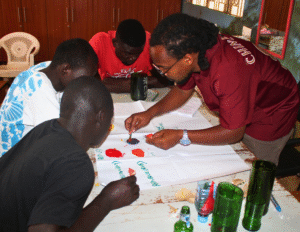
Learners develop confidence and independence through hands-on pre-vocational skills such as beadwork, catering, hairdressing and barbering, detergent making, and urban farming. These activities not only nurture creativity and responsibility but also prepare learners for meaningful participation in society.


2. Caregivers
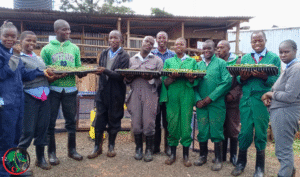
Caregivers are supported to strengthen their household livelihoods through training in mat-making, tapestry, dressmaking, crocheting, table banking, and urban farming. Through these skills and savings initiatives, caregivers are able to supplement their income, form strong support networks, and contribute to the well-being of their children.


3. Youths & Siblings
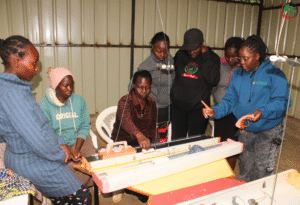
Youths (siblings) are engaged in practical and sustainable skills such as charcoal briquette production and woodwork. By participating in these activities, they gain valuable technical experience and entrepreneurship exposure that help them build a sense of purpose, reduce dependency, and create a positive ripple effect within their families and communities.